
The Animal That Eats Anthrax For Breakfast
Vultures possess stomach acid so corrosive that it dissolves metal and kills the world's deadliest bacteria instantly.
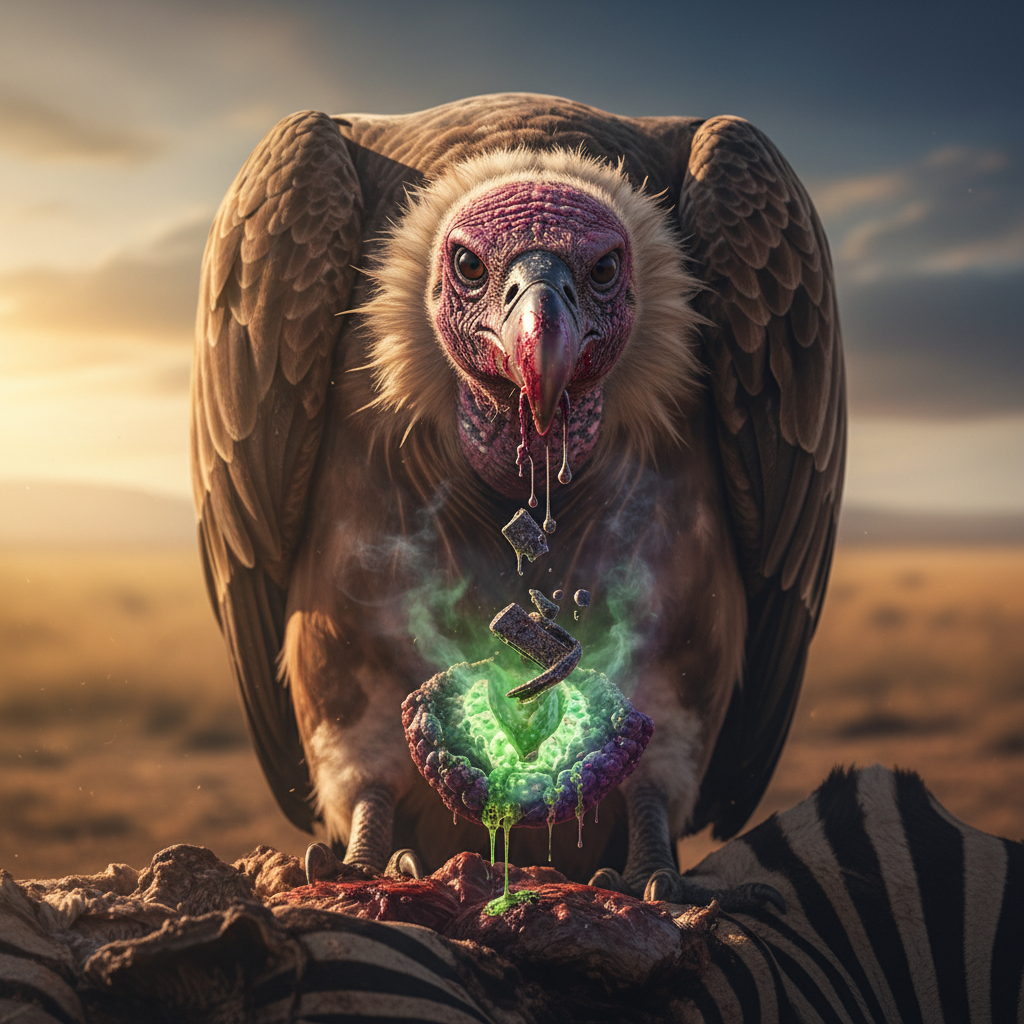
A vulture can eat a carcass rotting with anthrax, botulism, and cholera without feeling a thing. Their stomachs contain an acid so potent it would melt a hole through sheet metal.
The pH level of vulture stomach acid sits near zero. For comparison, human stomach acid is around a pH of 2. In a vulture's gut, the acidity is a thousand times more concentrated. This environment is so hostile that it doesn't just digest meat; it acts as a biological incinerator, sterilizing every bite the bird takes.
This superpower serves a vital ecological purpose. By consuming diseased carcasses, vultures act as a dead-end for pathogens. If these bacteria remained in the environment, they would spread to soil, water, and other wildlife. The vulture’s gut effectively scrubs the landscape clean of infection.
Their immune systems are equally strange. They have a gut biome filled with toxic bacteria that would kill most other animals, yet they thrive on it. To stay cool and clean their legs, they even urinate on themselves—their highly acidic waste kills any bacteria that may have hitched a ride on their feet while they were standing inside a carcass.
Despite their cast-iron stomachs, most vulture species are currently threatened by man-made chemicals that their acid simply cannot break down.
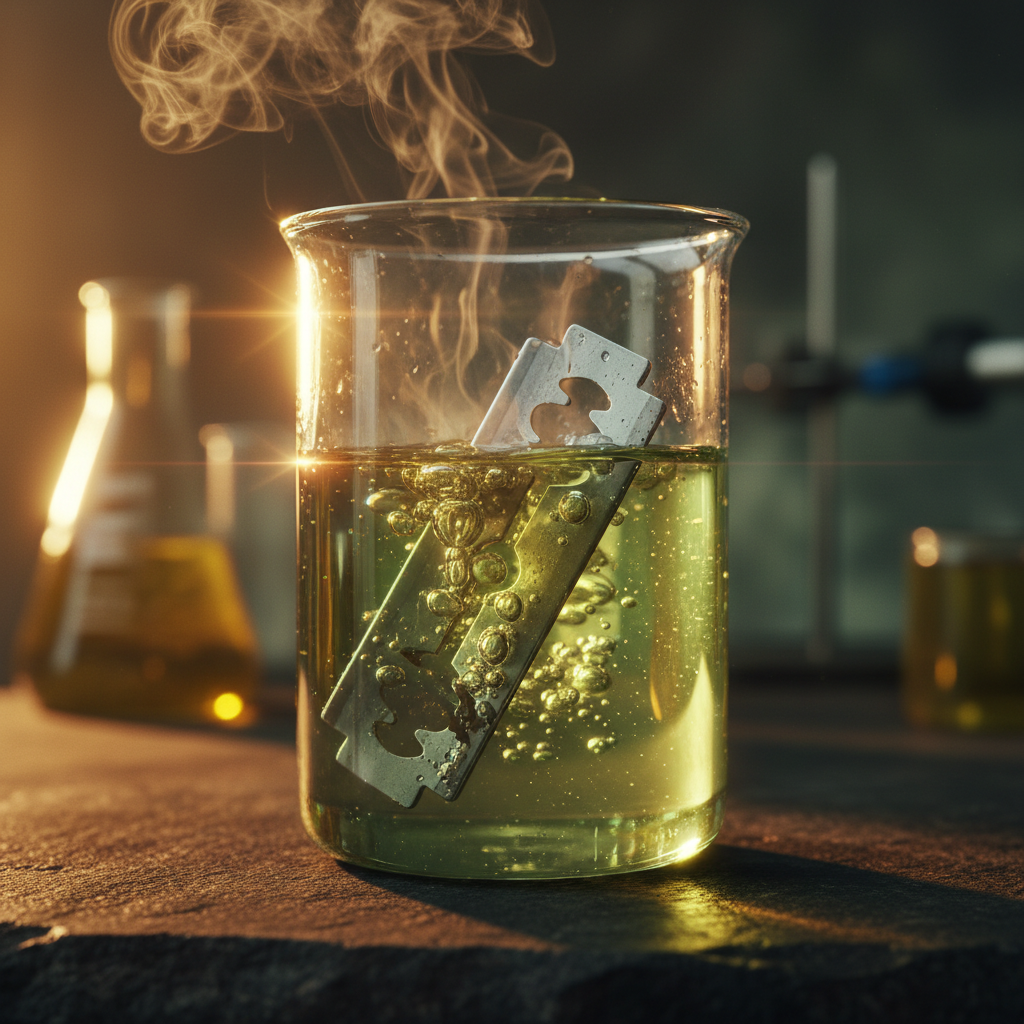
The acid in your belly melts steel
One unbelievable thing. Every Sunday.
60 seconds. No spam. Unsubscribe anytime.
🦖
Discussion (0)
Loading…