
Owls turn their heads 270°. Here's how
An evolutionary blood-flow trick we still can't copy.
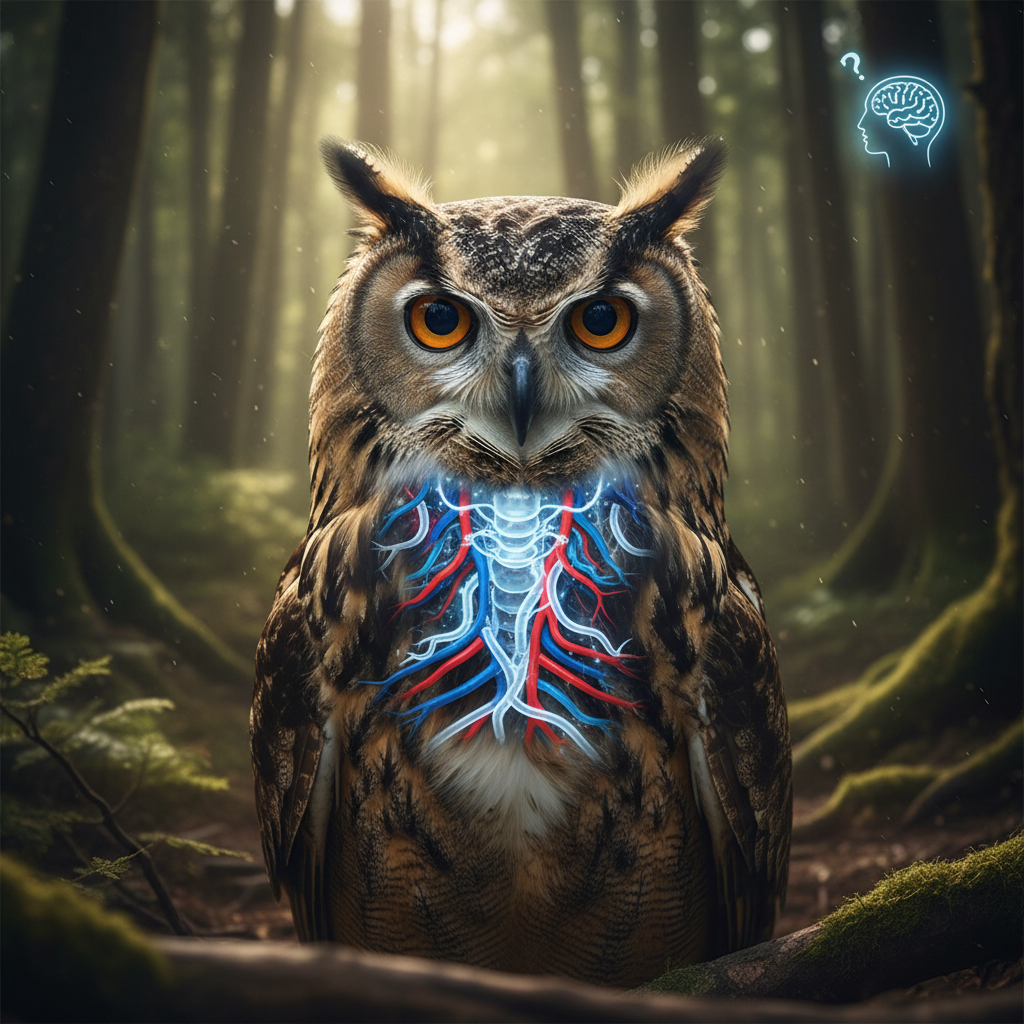
An owl swivels its head, tracking a vole across the forest floor. The turn continues, past its shoulder, then further still, settling at an astonishing 270 degrees. For a moment, the world spins from a new, unexpected vantage point.
Humans attempting such a feat would tear arteries, interrupting blood flow to the brain. Owls, however, possess specialized anatomical adaptations. Their vertebral arteries, supplying vital oxygen, enter the neck bones far lower than in other vertebrates, closer to the body’s core. This additional slack, combined with a unique, highly elastic network of blood vessels that expand to pool blood, ensures a continuous supply even at extreme angles. Bone cavities in the neck vertebrae are also larger, creating protective air sacs that cushion these crucial blood vessels during rotation.
This avian feat is a testament to evolutionary pressures, sculpting unique solutions to seemingly impossible biological challenges. The owl’s incredible neck mobility is not just a party trick, but a finely tuned survival mechanism, allowing it to scan its environment without the need for constant body movement, conserving energy for the hunt.
Owls possess 14 neck vertebrae, twice as many as humans.
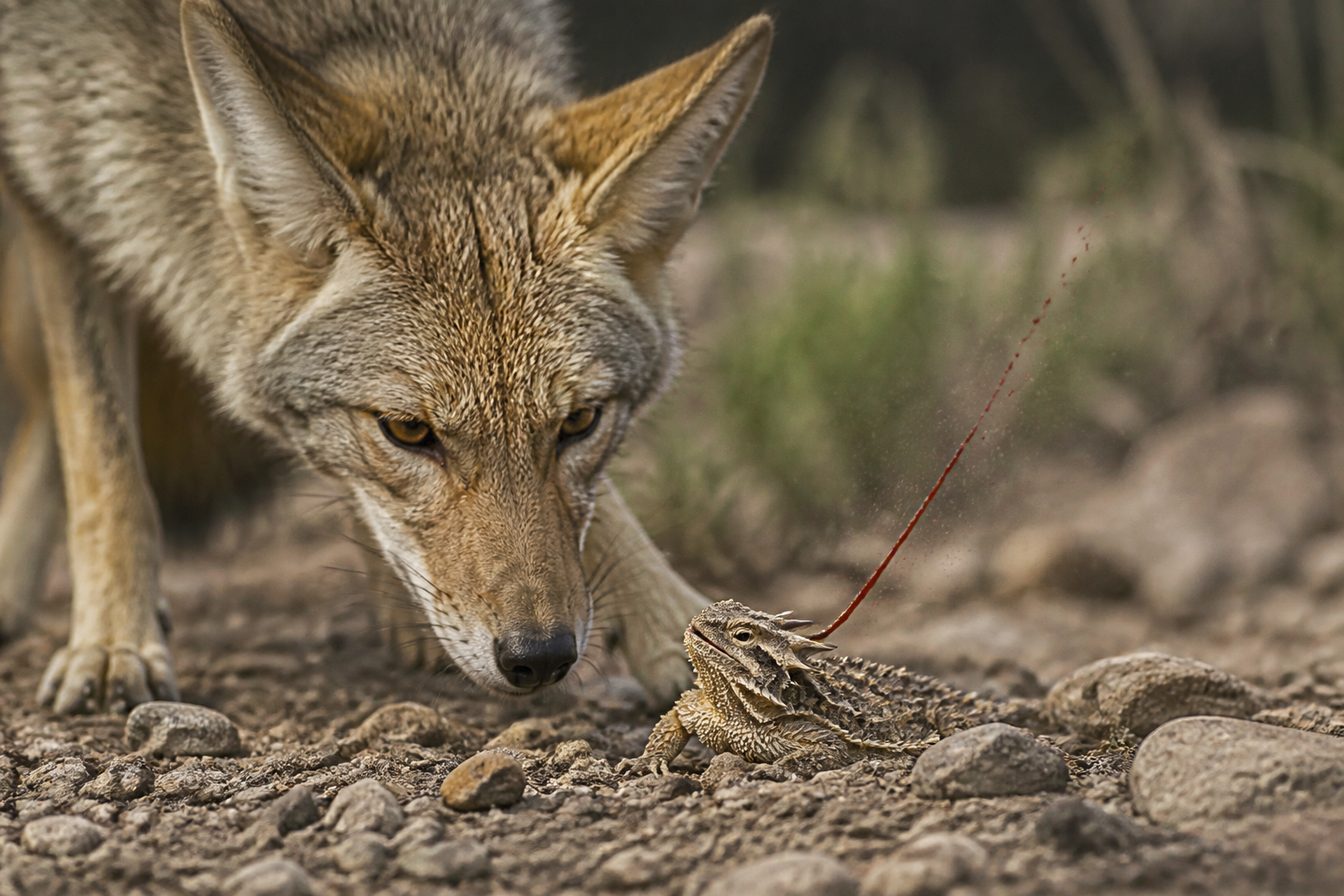
The Lizard That Shoots Blood From Its Eyes
One unbelievable thing. Every Sunday.
60 seconds. No spam. Unsubscribe anytime.
🦖
Discussion (0)
Loading…