
The Chemical Shield Inside Your Gut
Your stomach produces acid strong enough to dissolve steel, but a layer of snot keeps you alive.
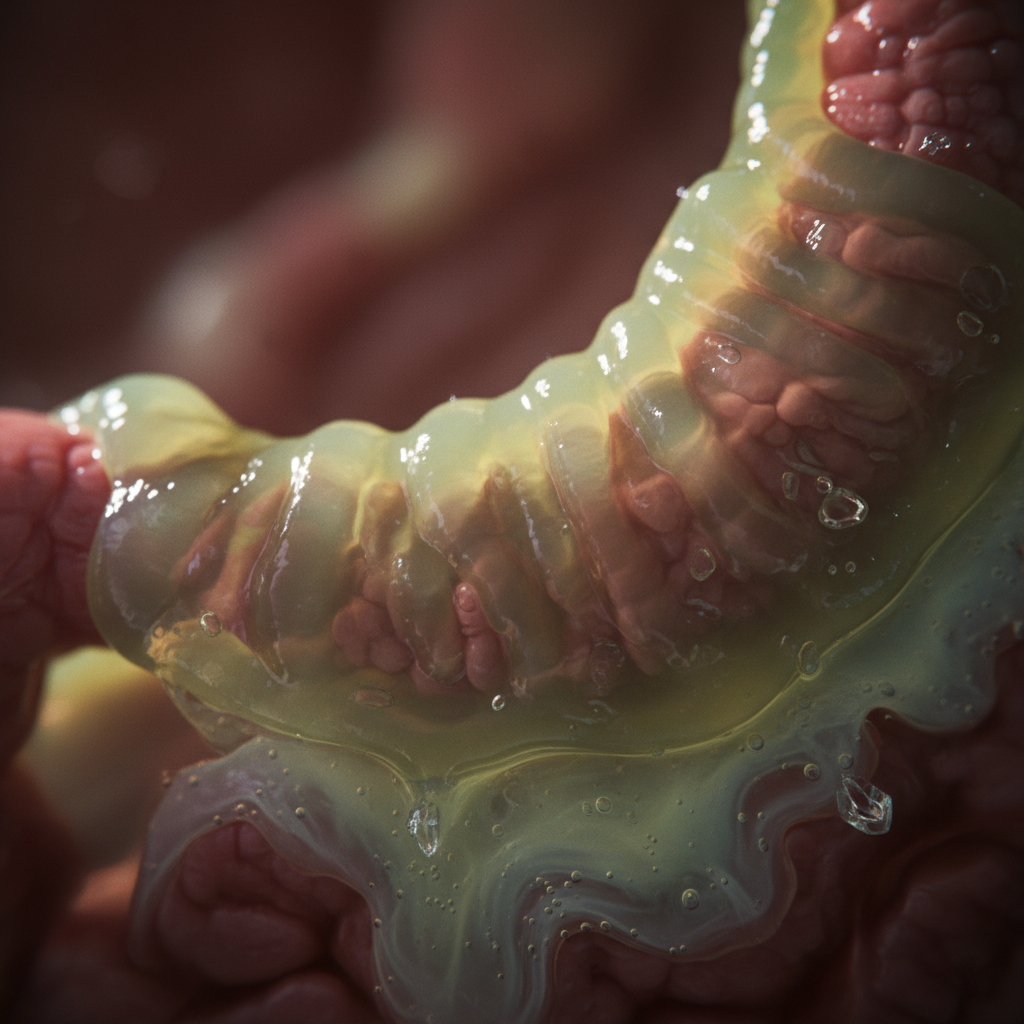
The hydrochloric acid in your stomach is potent enough to melt a metal zinc nail. The only reason it doesn't melt your own chest is a sacrificial layer of alkaline mucus that coats your stomach lining.
This mucus is rich in bicarbonate, which neutralizes the acid on contact. It acts as a neutral zone where the burning liquid meets a cooling base.
Even with this shield, the environment is so corrosive that your stomach must sprout a completely new lining every three to four days. You are effectively growing a new stomach twice a week to stay ahead of your own digestion.
If the mucus production slows down for even a few hours, the acid begins to eat the living tissue underneath. This failure of the shield is exactly what causes a peptic ulcer, meaning your body has quite literally started to digest itself.

Octopuses have three hearts and blue blood
One unbelievable thing. Every Sunday.
60 seconds. No spam. Unsubscribe anytime.
🦖
Discussion (0)
Loading…