
The Liquid That Can Crawl Out Of Containers
When cooled to near absolute zero, helium becomes a superfluid that can flow up walls and through microscopic cracks.
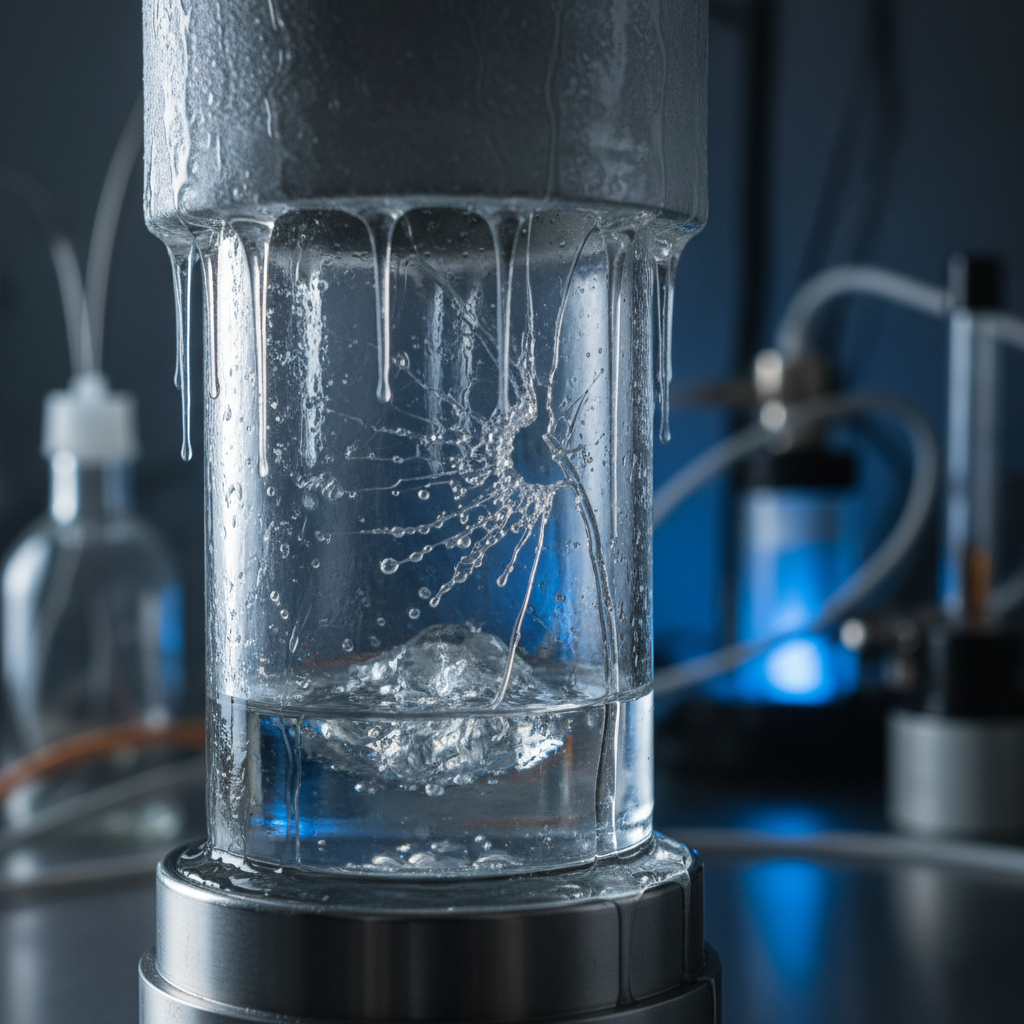
Cool helium to -452 degrees Fahrenheit and it stops behaving like a normal liquid. In this state, known as a superfluid, the gas loses all internal friction and begins to defy the fundamental laws of gravity.
Superfluid helium will spontaneously crawl up the sides of a glass beaker. It forms a thin film, precisely 30 nanometers thick, and slides over the rim until the container is empty. This happens because the liquid has zero viscosity, meaning nothing holds its molecules back from moving.
This substance can also leak through solid containers. It finds pores so small that even individual gas molecules struggle to pass through, yet the superfluid flows through them effortlessly. If you stir it, the resulting whirlpool will spin forever because there is no friction to slow the motion down.
At these temperatures, the atoms lose their individual identities. They begin to act as a single, coordinated quantum wave. It is the closest thing to a "ghost" state that matter can achieve in the physical world.
Curiously, even though we can see it and touch it, this state of matter exists only because of quantum mechanical effects that usually only happen at the scale of a single atom.
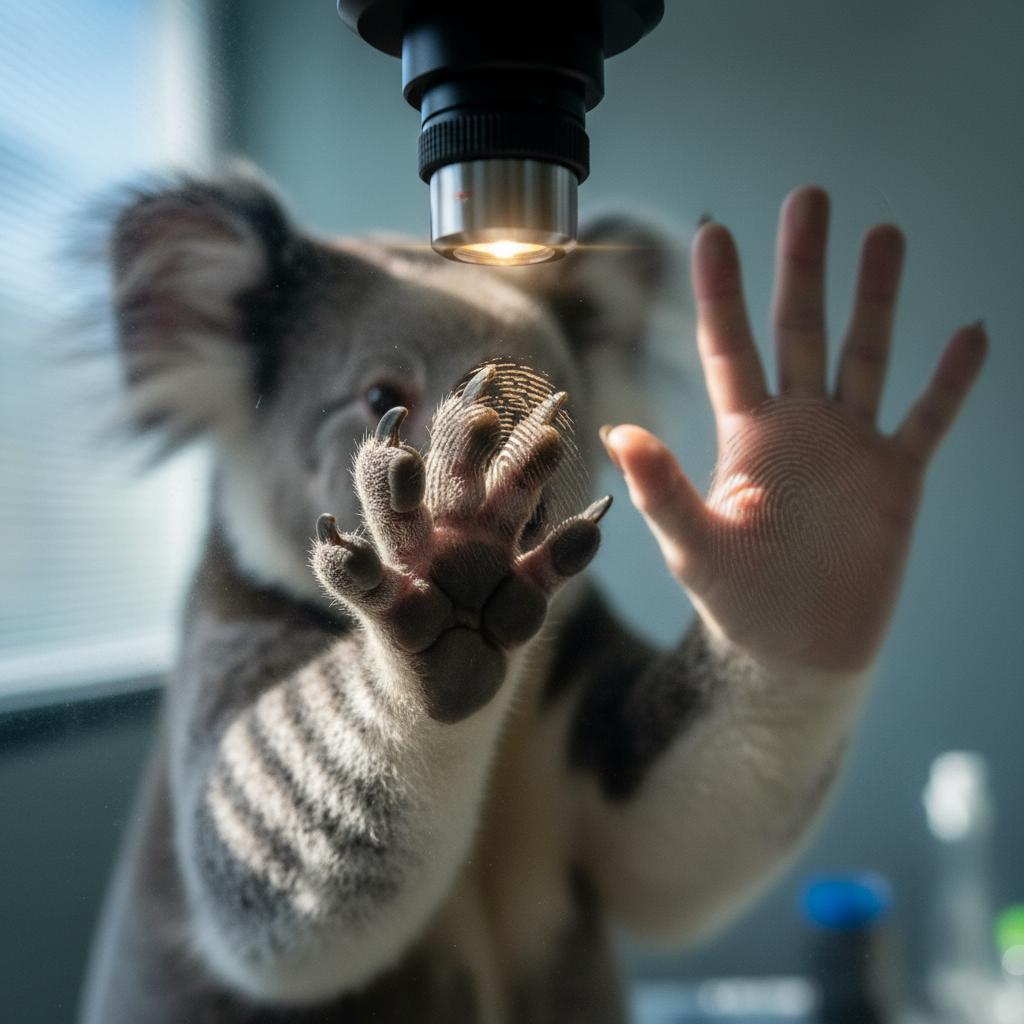
The Marsupial That Could Frame You For Murder
One unbelievable thing. Every Sunday.
60 seconds. No spam. Unsubscribe anytime.
🦖
Discussion (0)
Loading…