Why Moon Dust Acts Like Shards of Glass
The Moon is covered in microscopic glass needles that can eat through a space suit.
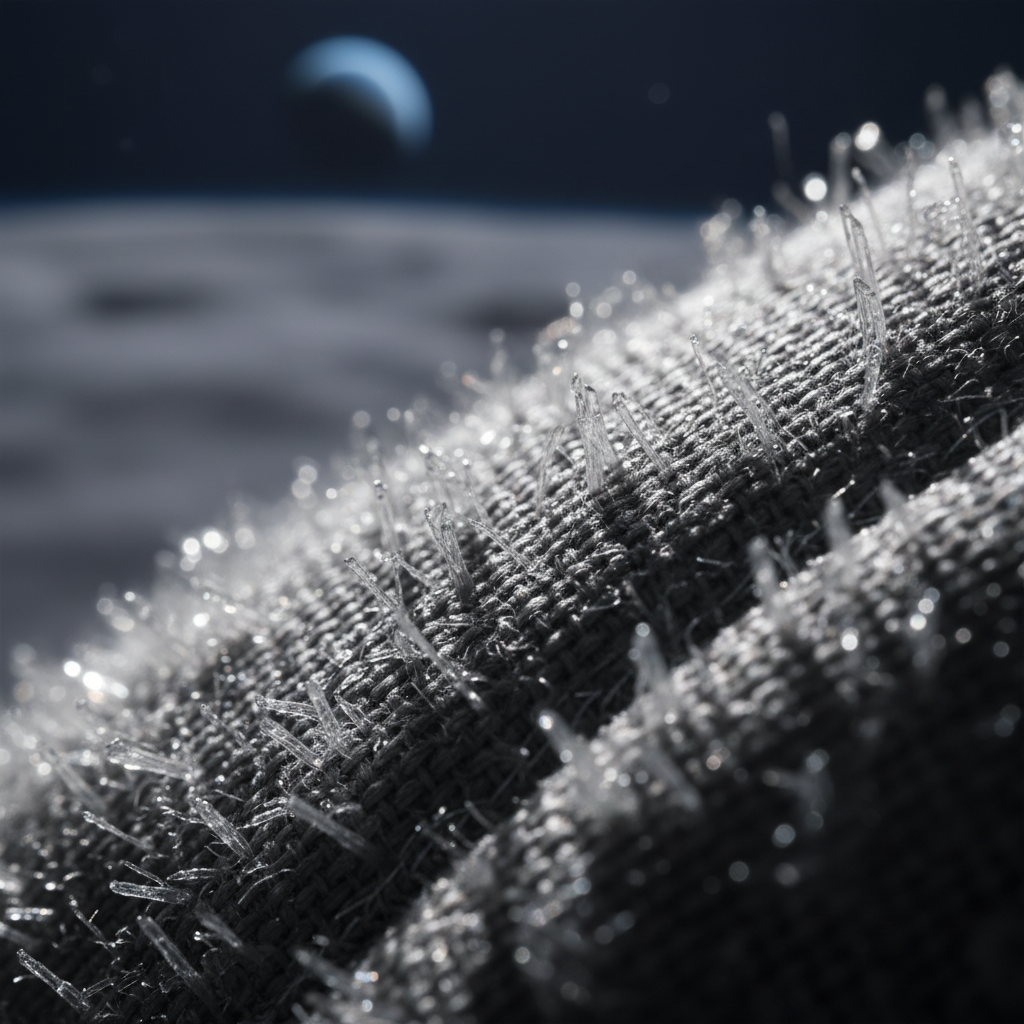
Moon dust isn't like the soft dirt on Earth; it's a collection of jagged, microscopic shards of glass. Because there is no wind or water on the Moon to erode the edges of rocks, every grain of regolith remains sharp and lethal.
During the Apollo missions, these particles behaved like sandpaper. The dust ground down the seals on space suits and destroyed the vacuum seals of sample containers within hours.
When astronauts tracked the dust back into the lunar module, they began to smell something like spent gunpowder. They soon developed "lunar hay fever," as the sharp grains irritated their lungs and eyes.
Because the dust is exposed to constant solar radiation, it also carries a static charge. This makes it hover slightly above the surface and cling to everything like a magnetic parasite that refuses to be brushed off.
Bananas are radioactive — and so are you
One unbelievable thing. Every Sunday.
60 seconds. No spam. Unsubscribe anytime.
🦖
Discussion (0)
Loading…