
The Eiffel Tower grows 6 inches every summer
During the peak of summer, the Eiffel Tower grows taller as its iron structure expands under the sun.
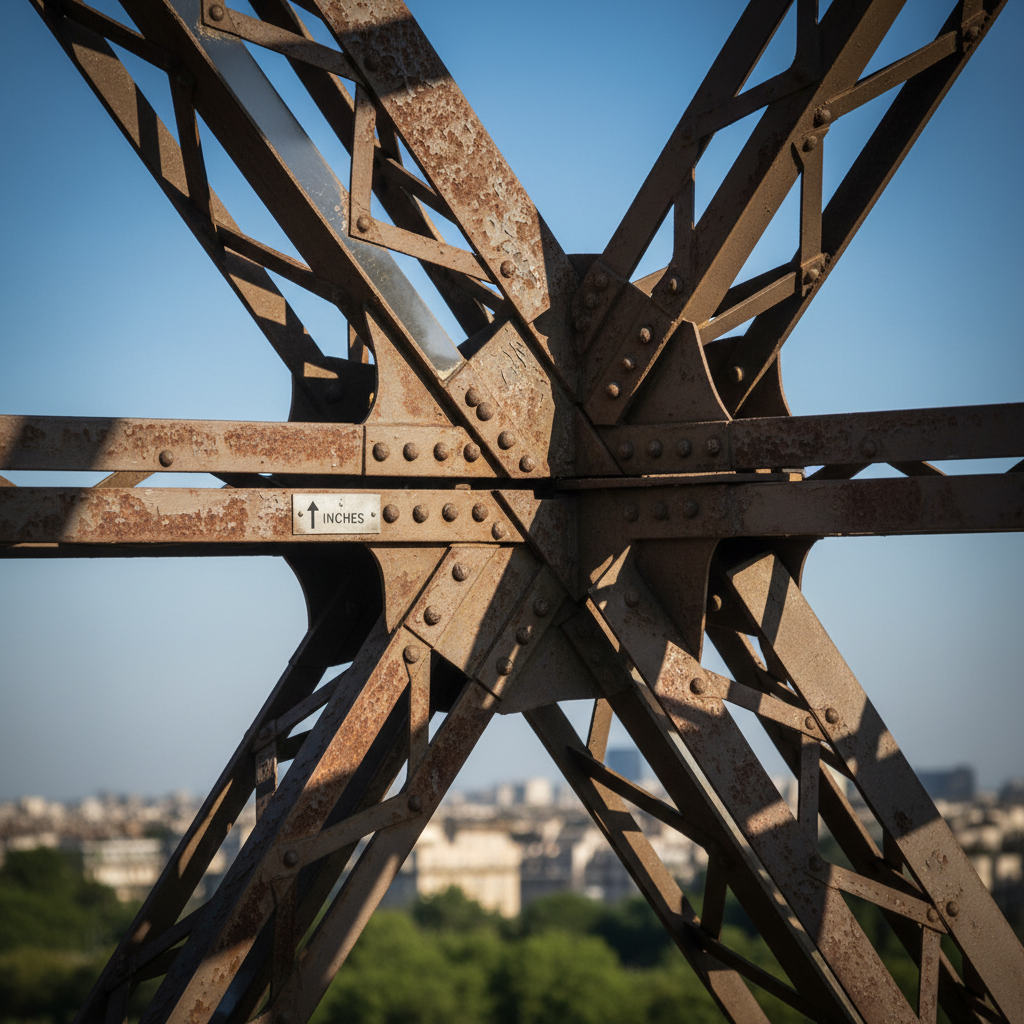
The Eiffel Tower is not a fixed height. On a hot summer day, the massive iron lattice can standing up to six inches taller than it does in the winter.
This happens because of a physics phenomenon called thermal expansion. When the sun beats down on the puddling iron, the atoms inside the metal begin to vibrate more rapidly. This increased kinetic energy pushes the atoms further apart, causing the entire structure to physically swell in volume.
Engineers anticipated this movement. The tower is designed with enough flexibility that this expansion doesn't cause the metal to snap or the joints to buckle. However, the growth is rarely perfectly vertical. Because the sun usually hits one side of the tower more directly than the others, the iron on that side expands more, causing the top of the tower to tilt up to six inches away from the sun.
This movement is constant and measurable. The tower is effectively a giant, 10,000-ton thermometer. As the sun sets and the air cools, the iron atoms slow down, move closer together, and the tower retracts back to its original size.
While the tower grows in height during the summer, it also becomes slightly lighter in a sense; as the air warms up, the tower's overall density decreases, though its mass remains the same.

The largest living thing is a silent killer
One unbelievable thing. Every Sunday.
60 seconds. No spam. Unsubscribe anytime.
🦖
Discussion (0)
Loading…