The lobster that forgot how to die
Lobsters don't age the way humans do; they grow stronger, more fertile, and more energetic the longer they live.
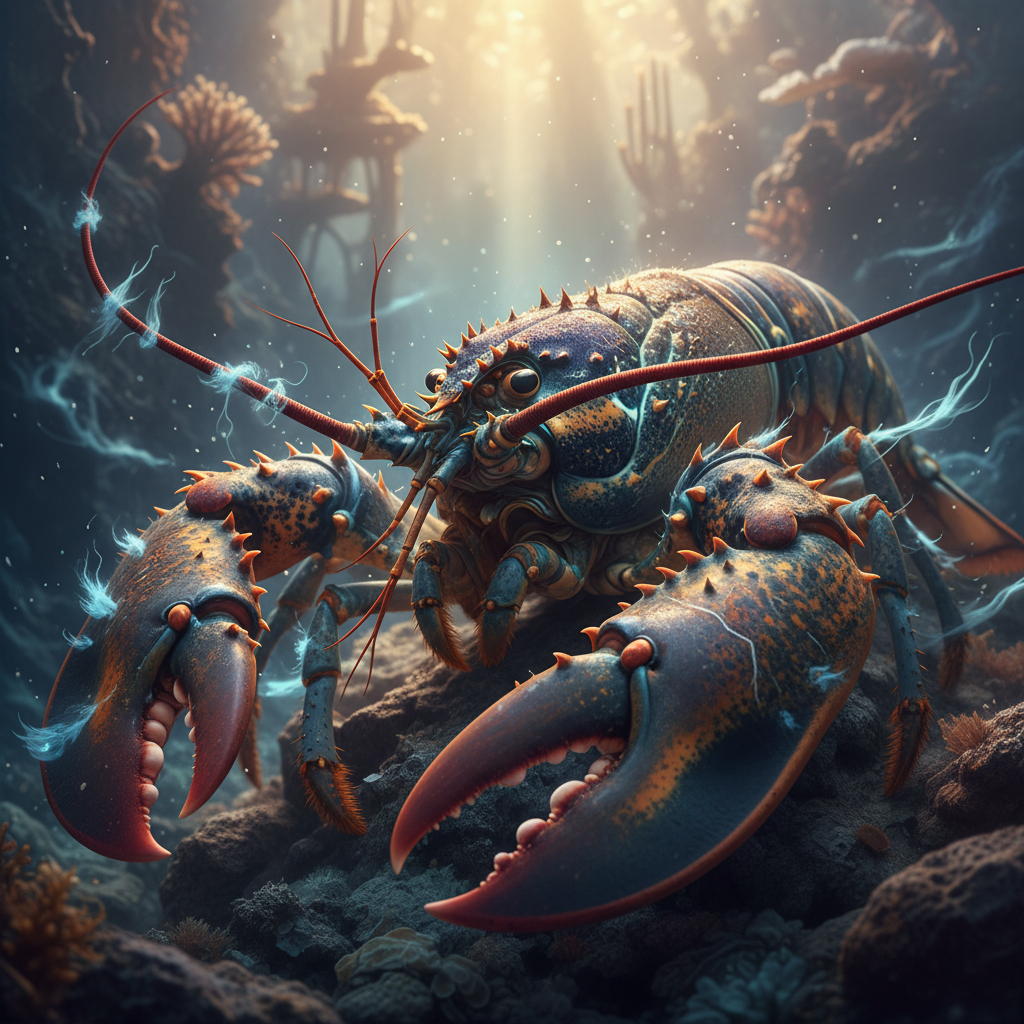
Lobsters possess an enzyme called telomerase that constantly repairs their DNA, effectively preventing 'biological aging.' Most animals' cells have a limit on how many times they can divide, but lobster cells just keep going.
An older lobster isn't a frail lobster. A 100-year-old specimen is often more muscular and more fertile than a teenager. They don't lose their appetite or their metabolism as they get older.
They only die because they literally grow too big for their own skin. Molting—the process of shedding an old shell and growing a new one—requires immense amounts of energy.
Eventually, the lobster becomes so massive that the energy required to lift off its old shell is more than the lobster can produce. It becomes trapped inside its own armor, which eventually cracks, leading to infection or exhaustion.
If a lobster could find a way to shed its shell without using its own physical energy, it might theoretically live forever.
One lobster caught off the coast of Maine was estimated to be 140 years old. It weighed 20 pounds and showed no signs of slowing down before it was returned to the sea.
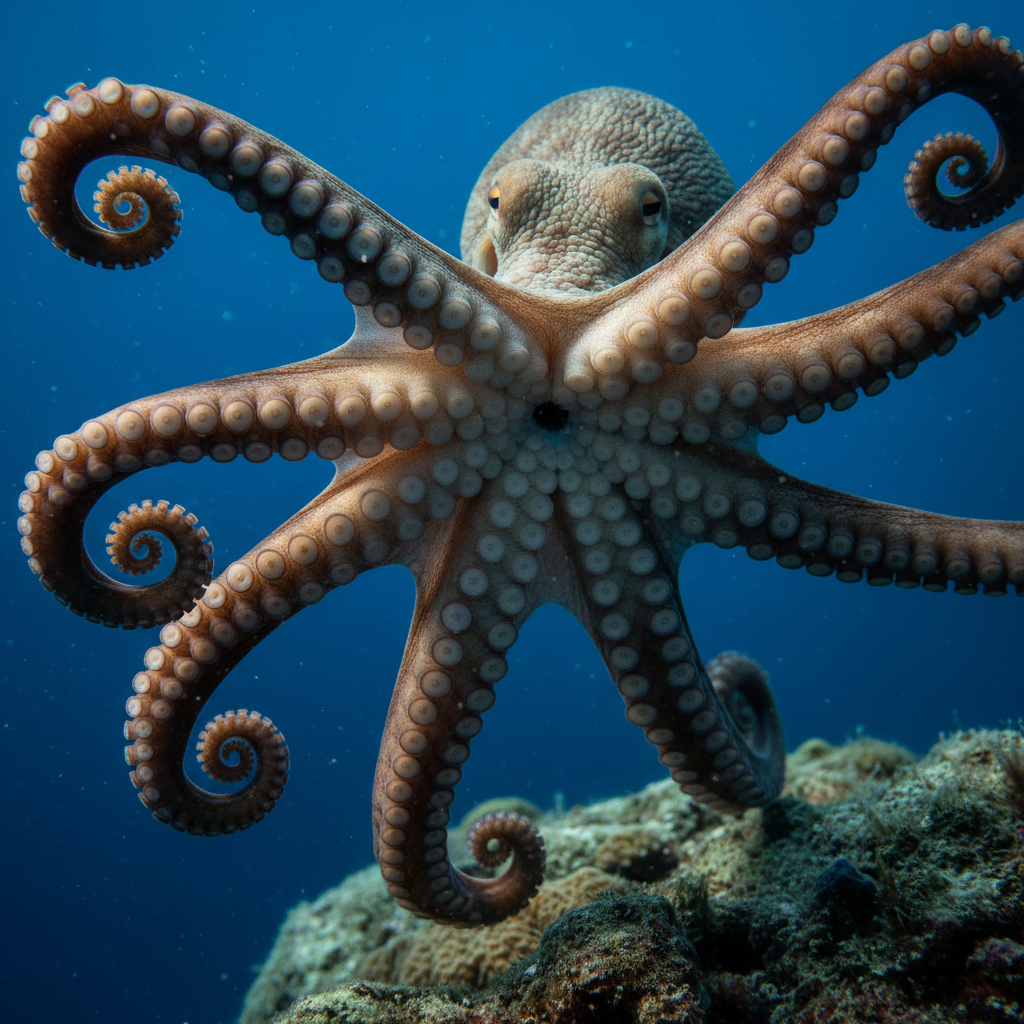
The Animal with Nine Semi-Independent Brains
One unbelievable thing. Every Sunday.
60 seconds. No spam. Unsubscribe anytime.
🦖
Discussion (0)
Loading…