
Can hot water freeze faster? The answer depends on the experiment
Hot water can win certain freezing races, but it does not generally freeze faster than cold water. Even the finish line matters.
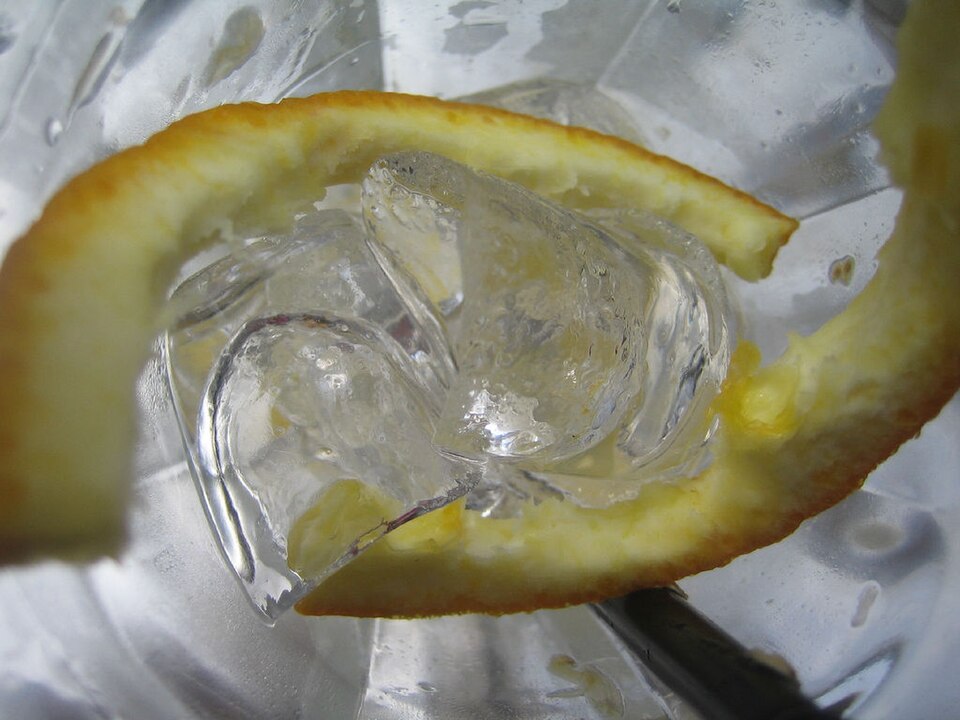
Hot water can sometimes beat colder water in a freezing experiment…
What is the phenomenon where hot water freezes faster than cold water?
- Hot water can win certain freezing races, but it does not generally freeze faster than cold water. Even the finish line matters.
- A 2025 study reached a different, carefully qualified result.
- Image: Pål Berge, CC BY 2.0, original ice-cube photograph used without alteration.
Hot water can sometimes beat colder water in a freezing experiment. The important word is sometimes. This is not a shortcut that makes boiling water the reliable winner in your freezer.
The puzzle is called the Mpemba effect, after Erasto Mpemba, whose observations helped bring it into modern scientific discussion. Its apparently simple question hides a problem: what exactly counts as freezing faster?
Reaching zero degrees Celsius, forming the first ice crystal and freezing a substantial amount of water are different finish lines. Water can even cool below its normal freezing point while remaining liquid. This is supercooling, and the arrival of an ice-nucleating disturbance can determine when crystallization begins.
That distinction helps explain why experiments disagree. In 2016, Henry Burridge and Paul Linden reported no convincing Mpemba effect in their carefully controlled cooling experiments. They also showed how seemingly small differences in temperature measurement could produce misleading comparisons. Their result challenged the idea that hotter water routinely cools to the freezing point faster.
A 2025 study reached a different, carefully qualified result. Researchers placed hot and cold samples in a freezer containing abundant ice-nucleating agents, reducing supercooling. Under those specific conditions, hotter samples developed ice more quickly and to a greater depth. But the start of crystallization was still later for the hotter samples. Winning at ice formation did not mean reaching the first ice crystal first.
The authors proposed differences in heat transfer as an explanation. That is a finding about a particular setup, not proof that water universally remembers being hot or that one molecular story explains every reported effect.
Other proposed influences include evaporation, circulation inside the water and thermal contact between a container and its cold surroundings. Each can change the comparison; none should be treated as the settled explanation for all experiments. If heating removes water through evaporation, the samples may no longer contain the same mass. If containers contact the freezer differently, you may be comparing containers as much as temperatures.
So the everyday discovery is stranger, and more useful, than “hot freezes faster.” A familiar kitchen question turns into a lesson in defining the finish line and controlling the setup. Before declaring a winner, ask: the first crystal, the most ice, or completely frozen?
Image: Pål Berge, CC BY 2.0, original ice-cube photograph used without alteration.
How did this hit you?
Or say it in words - one line is enough.
Two questions from this article.
Both right earns +50 XP. No account needed.
Sources (4) - tap to view
The Ultimate Trivia Pack
100 questions worth asking out loud. Free, printable, and ready on your phone.

Discussion (0)
Add your name and join in. No account needed.
Loading…