Playing Dead Can Actually Save Your Life
When faced with danger, some animals don't fight or flee—they play dead. This isn't just a trick; it's a desperate, highly effective survival strategy.


A predator is sprinting right at you
Before the evidence lands — where do you already stand on this one?
Most people guess wrong here. Curious what you do.
- When faced with danger, some animals don't fight or flee—they play dead. This isn't just a trick; it's a desperate, highly effective survival strategy.
- The effectiveness of playing dead hinges on the predator's hunting strategy.
- This behavior is an evolved neurological response, not a conscious decision.
Imagine a predator lunging, and instead of bolting, you suddenly go limp, stop breathing, and your body temperature drops. This extreme response, known as tonic immobility or thanatosis, is how many animals, from insects to mammals, try to escape death. It's a last-ditch effort that leverages a predator's instinct to hunt live prey and its aversion to carrion.
When an animal plays dead, it often enters a trance-like state, sometimes even emitting a foul odor to mimic decomposition. Take the opossum, a master of thanatosis, which can sustain this act for hours, drooling and even appearing to have rigor mortis. Many predators, like foxes or wolves, are instinctively wary of sick or dead animals due to the risk of disease or unpalatable meat. A motionless, seemingly lifeless body often lacks the stimulation that triggers a predator's final kill bite or the chase instinct.
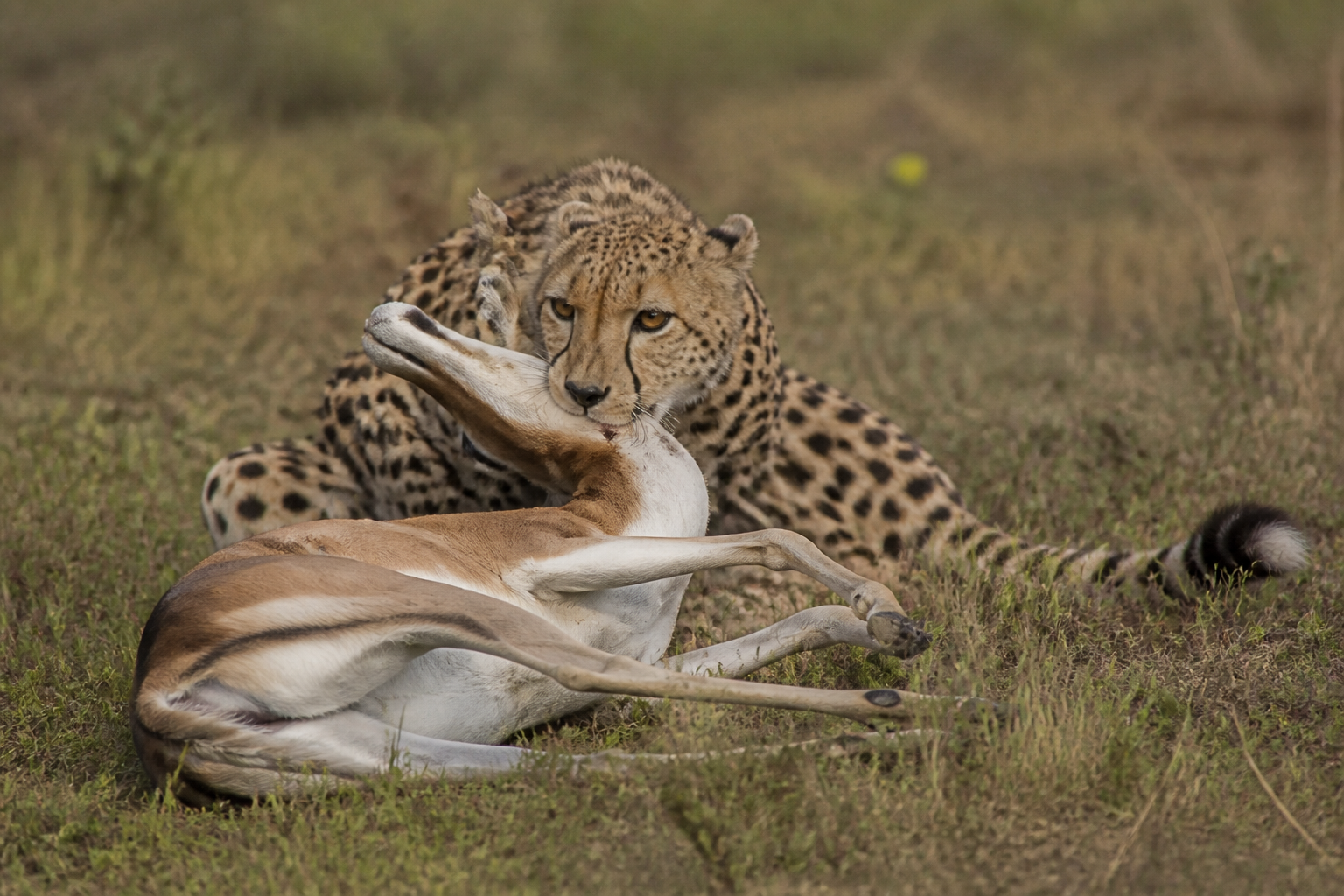
The effectiveness of playing dead hinges on the predator's hunting strategy. Predators that prefer to kill their prey themselves, or those that are repulsed by decay, are more likely to be fooled. For instance, a snake might release its grip on a supposedly dead frog, giving the frog a window to escape. Some predators, however, are not deterred, such as scavengers who actively seek out carrion, or those that might view a still body as an easy meal without the risk of a struggle.
This behavior is an evolved neurological response, not a conscious decision. It's often triggered by extreme fear, causing a sudden surge of neurochemicals that induce paralysis and other physiological changes. While it sounds terrifying, for countless species, the ability to convincingly play dead has been the difference between becoming a meal and living to see another day, a testament to the diverse and often counterintuitive strategies in the brutal game of survival.
Two questions. Prove you actually read it.
Get both right and this discovery is certified: +50 XP toward your next rank. No account needed.
Sources (1) — tap to view
100 questions that make people say “wait, what?”
Get the complete Ultimate Trivia Pack instantly. It is free right now, works on mobile, and is printable.
Discussion (0)
No account needed. Drop your name, say what surprised you.
Loading…